Communication theory: SVETLO
How communication theory operates in design and contemporary art
«Communication can be understood as a practical discipline concerned with the creation and interpretation of meaning through symbolic interaction»
— (Craig, 1999)
Communication theory provides a crucial framework for understanding how design and contemporary art function not merely as aesthetic practices, but as systems of meaning-making. In this project, communication is approached as a process through which meaning is created, interpreted, and shared between creators and audiences. Within the field of design and contemporary art, objects, spaces, and experiences act as messages, while audiences become active participants who interpret these messages based on their cultural background, emotions, and personal experience.
From this perspective, design is never neutral. Every visual decision — from color and light to material, scale, and spatial arrangement — carries symbolic meaning and influences how an artwork or event is perceived. Communication theory allows designers and artists to move beyond intuitive or purely aesthetic choices and to understand their work as part of a broader communicative system. This system includes the sender (the artist, designer, or brand), the message (the visual and spatial language), the medium (technology, architecture, urban space), and the receiver (the audience), all of which exist within a specific social and cultural context.
Audiences do not passively receive messages; instead, they actively interpret them.
One of the key contributions of communication theory to design and contemporary art is the recognition that meaning is not simply transmitted but co-created. Interpretive process explains why the same artwork or design intervention can evoke different emotions and meanings among different viewers. Communication theory helps designers anticipate these diverse interpretations and intentionally design for openness, ambiguity, and emotional engagement rather than fixed or singular meanings.
In contemporary art practices — particularly in media art, light installations, and immersive environments — non-verbal communication plays a dominant role. Light, movement, sound, and spatial interaction function as symbolic languages that operate beyond words. Communication theory, especially semiotic approaches, makes it possible to analyze how these elements act as signs that convey ideas, emotions, and values. For example, changes in light intensity or color can signal intimacy, tension, celebration, or calm, shaping the viewer’s emotional response without explicit explanation.
Another important aspect of communication theory in design and contemporary art is its emphasis on narrative and experience. Rather than focusing on isolated objects, communication theory encourages viewing design as a process unfolding over time. Events such as festivals, exhibitions, or urban interventions can be understood as narratives composed of sequential experiences. Visitors move through space, encounter different visual messages, and construct personal stories based on their journey. This narrative logic strengthens emotional engagement and transforms spectators into participants.
Finally, communication theory highlights the social dimension of design and art. Meaning is created not only individually but collectively, through shared experiences and cultural practices. Public art events and festivals function as platforms for social interaction, bringing together people of different ages, backgrounds, and perspectives. By applying communication theory, designers can consciously shape these encounters, fostering inclusivity, dialogue, and a sense of community. In this way, design and contemporary art become tools for social connection, using visual language to unite people through shared emotional and cultural experiences.
Brand presentation for a general audience
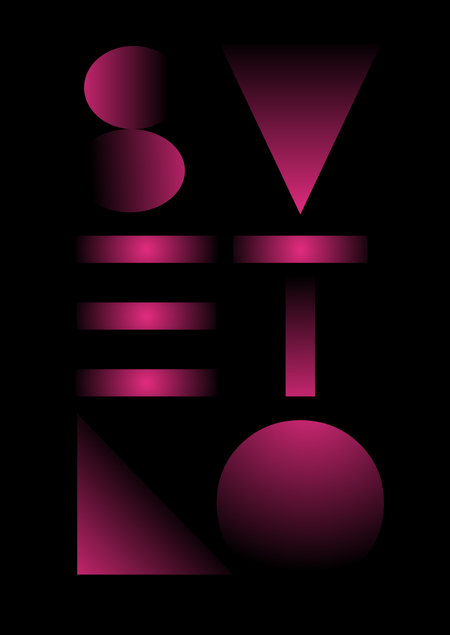
Brand logo
Who we are?
SVETLO is an international festival of light and media art where light installations, projections and other diverse technologies create a magical atmosphere that attracts thousands of visitors.
Through light installations and projections, familiar urban spaces become magical environments that invite exploration and emotional connection.
Event wristbands
The festival offers visitors a unique opportunity to experience art through light, shadow, and movement, creating memorable sensory impressions.
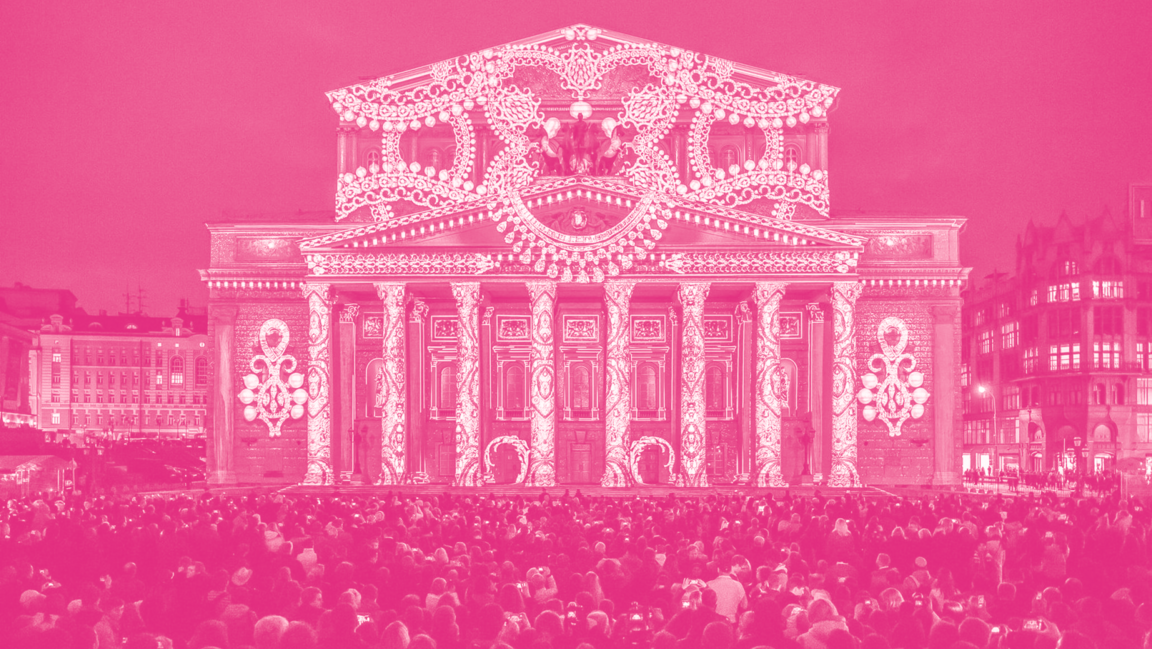

Moodboard of the SVETLO Festival
For friends and youth
For local youth, SVETLO becomes a vibrant evening event — a place to meet friends, explore new forms of art, and enjoy the city together.
For tourists
For tourists, the festival offers a new way to discover Saint Petersburg, combining cultural exploration with contemporary media art.
For families
For families with children, SVETLO creates an accessible introduction to modern art, turning learning into a playful and inspiring experience.
Posters
The festival communicates values of openness, creativity, and inclusivity, inviting people of different ages and backgrounds to share the same space
Our mission is…
…to bring art and inspiration to people through light-based images and contemporary technologies
Branded cup
Core values
Bright impressions Contemporary technologies Support of modern art Unity through shared experience
SVETLO communicates in a friendly, creative, and inclusive tone, encouraging curiosity and emotional engagement rather than explanation
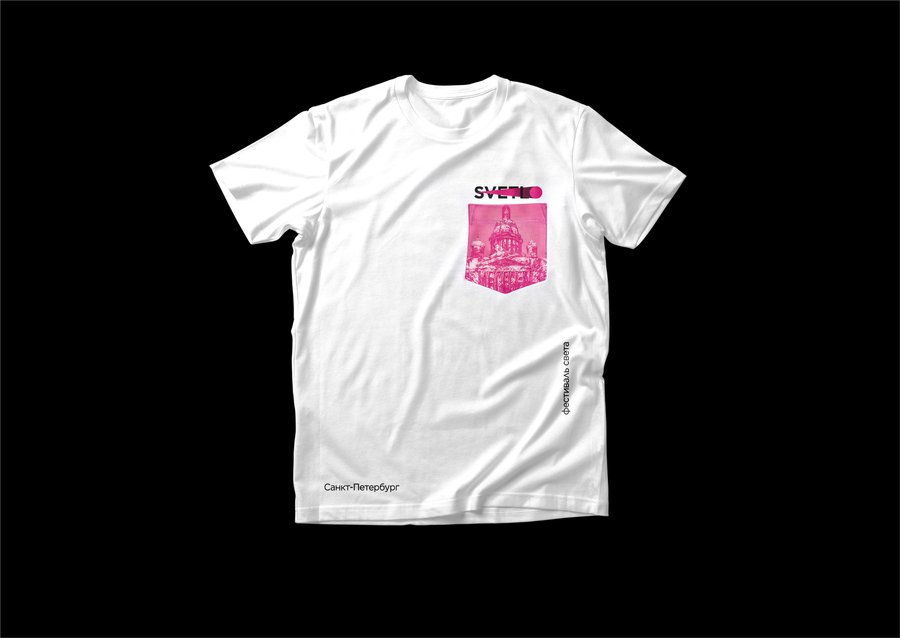
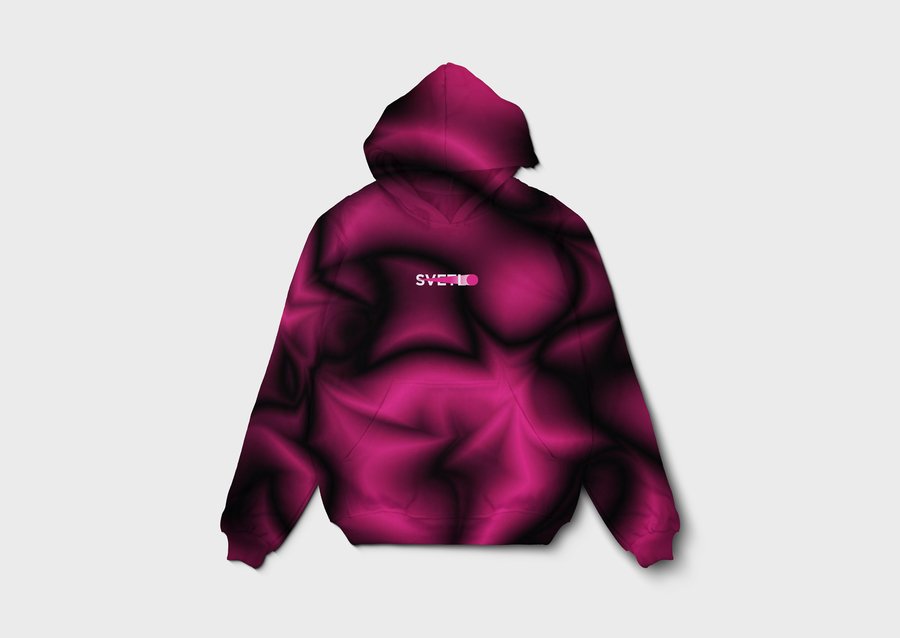
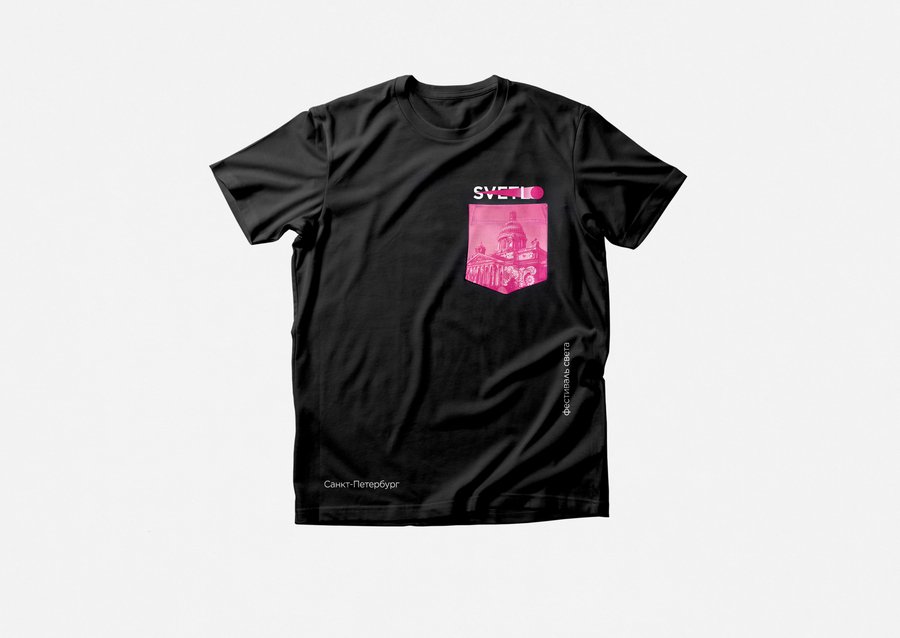
Branded merch from the event
Souvenir items extend the festival experience beyond the event itself, allowing visitors to take a piece of light and memory with them
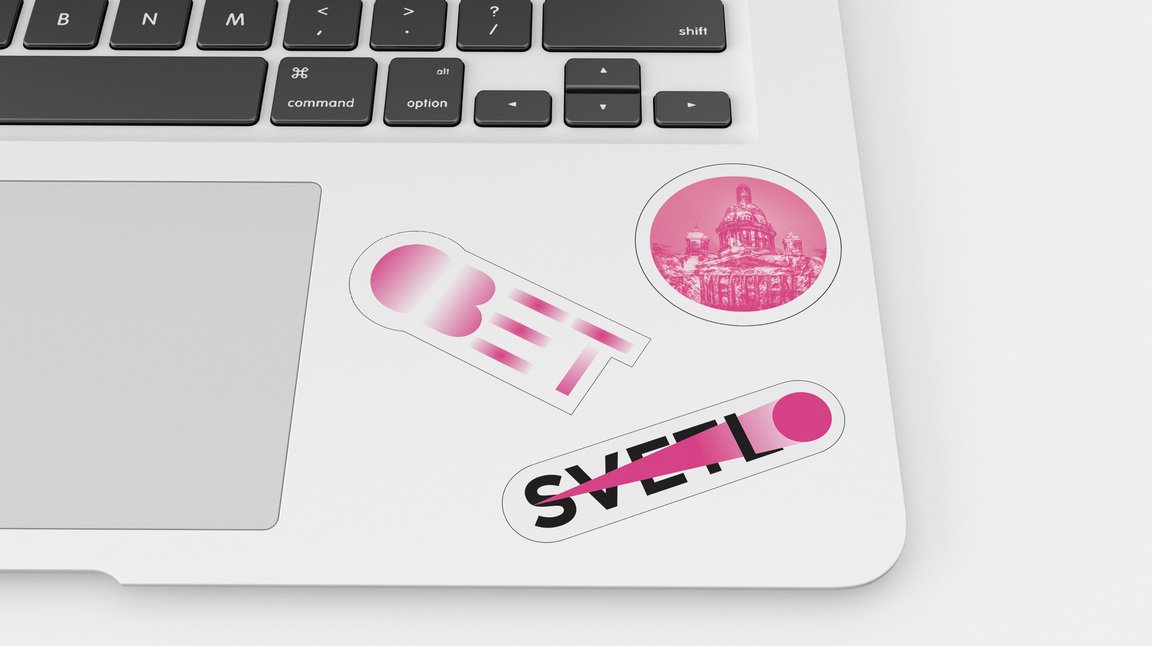
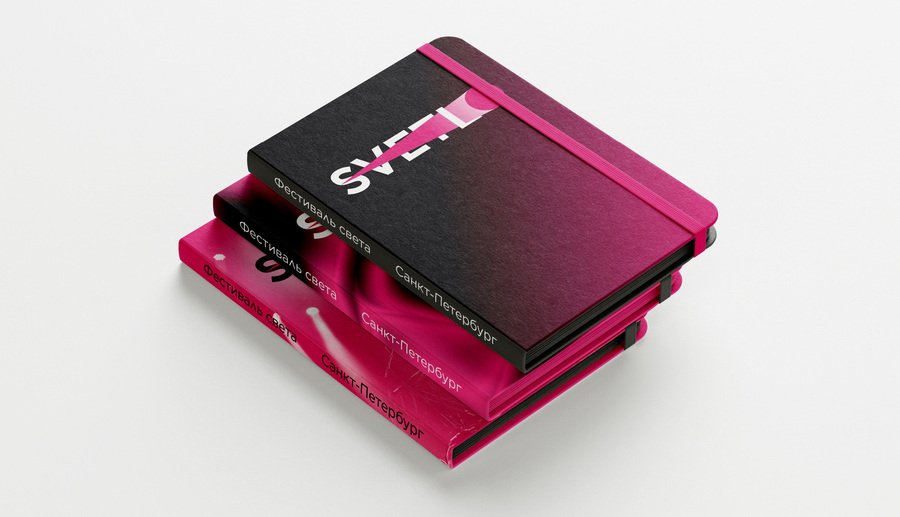
Branded stationary
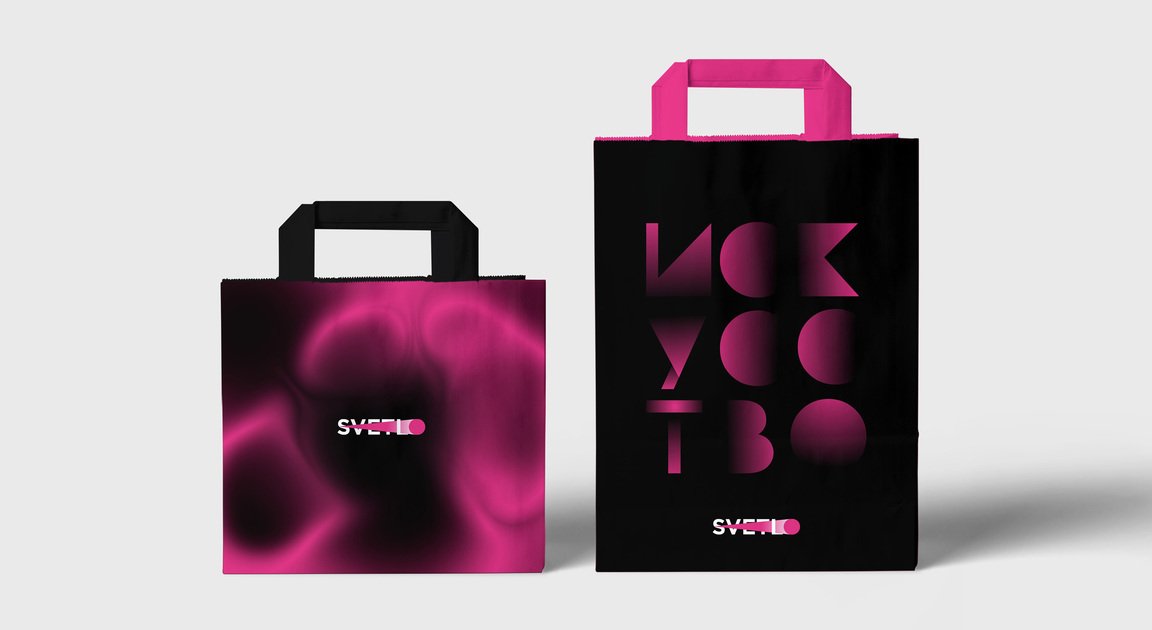
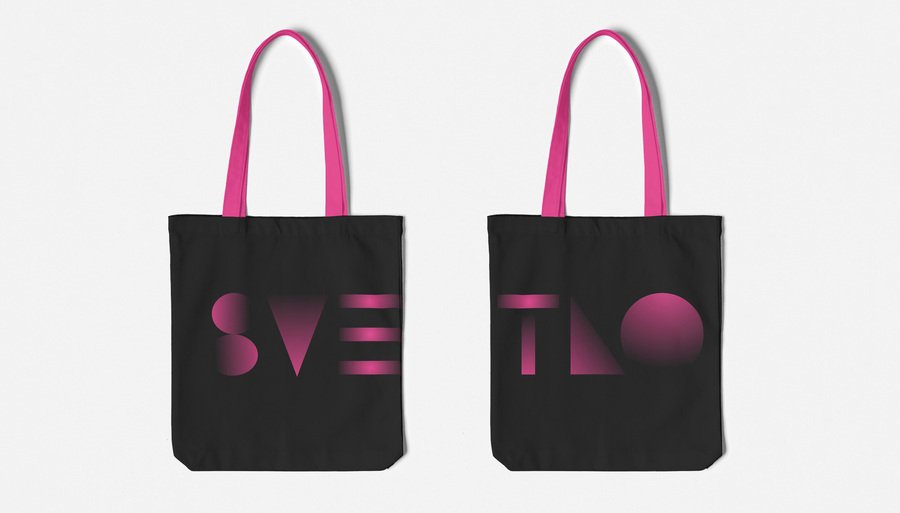
Festival totebag and paperbag
Brand presentation for a professional (design-focused) audience
Festival as a system
From a professional perspective, SVETLO functions as a communication system that integrates art, technology, and urban space
— light installations operate as signs embedded in the city context. — architecture becomes a semantic surface, while projections reshape its meaning
The festival addresses multiple publics by creating a non-verbal, universally readable language of light that transcends age and cultural barriers
Target audience
Brand Identity colors
The visual identity of SVETLO is flexible and modular, allowing it to adapt to various locations, scales, and technological formats
Design logic
Design decisions are guided by clarity, emotional impact, and adaptability to different urban contexts.
Brand Identity font
Corporate accidental font
Media ecology
Following the principles of media ecology, the choice of medium shapes perception. Light and projection are selected for their immersive and inclusive qualities.
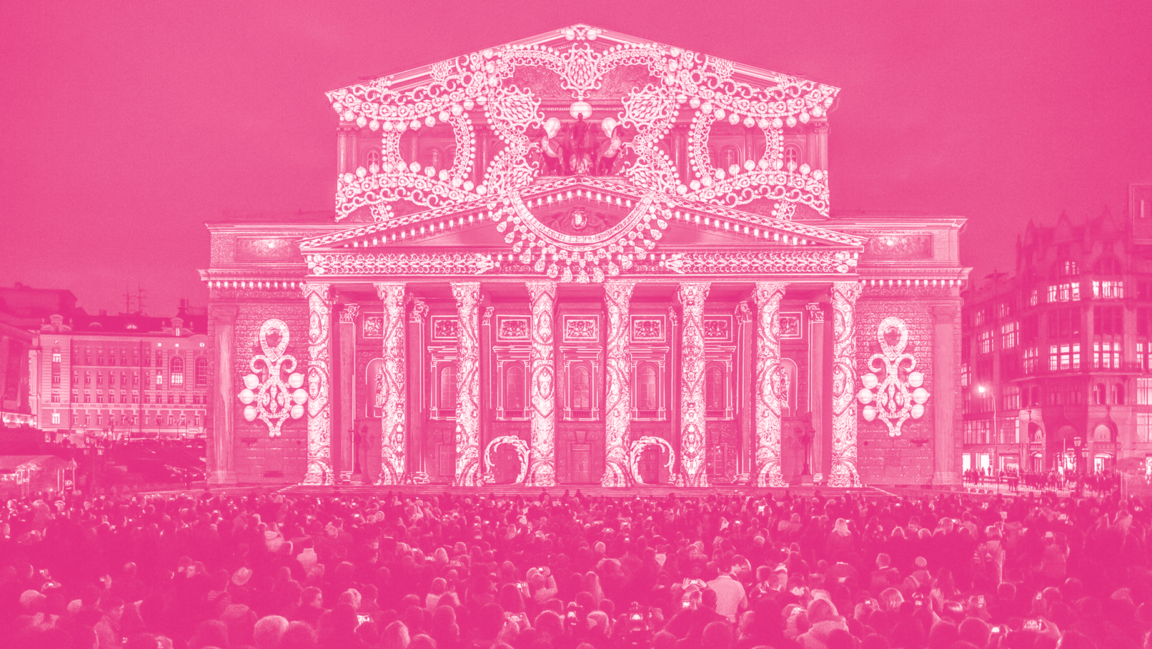

Moodboard of the SVETLO Festival
Narrative structure
The visitor journey is designed as a narrative sequence, where each location functions as a chapter contributing to a coherent overall story.
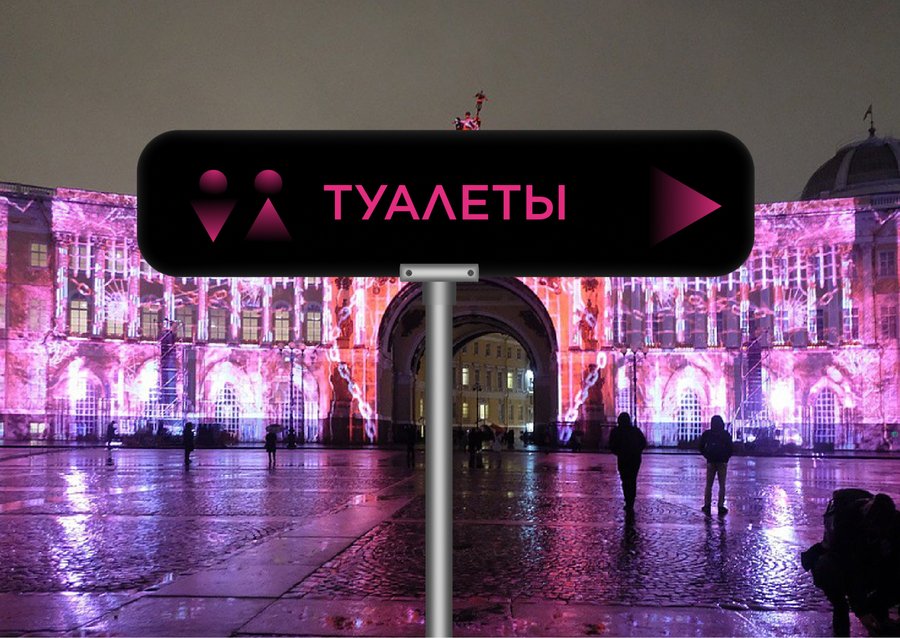
Brand Identity colors
Offline space
Physical installations and spatial design create points of interaction where visitors become active participants rather than passive observers.
Professional value
For artists and designers, SVETLO serves as a platform for experimentation, collaboration, and dialogue between art and technology.
How communication theory shaped the project
«Communication is a dynamic process in which people use symbols to create and interpret meaning in their interactions with others.»
— (Dainton & Zelley, 2015)
From theory to design
Communication theory was not an addition to the project but its foundation, shaping both conceptual and visual decisions.
Semiotics and narrative
The semiotic tradition informed the use of light as a symbolic language, while the narrative paradigm structured the festival as an experiential story.
Socio-cultural and rhetoric
The socio-cultural tradition framed the festival as a shared urban practice, while rhetorical principles guided communication for different audiences.
Result
As a result, SVETLO becomes not just a festival, but a communicative environment where light connects people, space, and meaning.
Allison T. H. et al. Persuasion in crowdfunding: An elaboration likelihood model of crowdfunding performance //Journal of business venturing. — 2017. — Т. 32. — №. 6. — С. 707-725.
Cabiddu F., De Carlo M., Piccoli G. Social media affordances: Enabling customer engagement //Annals of Tourism Research. — 2014. — Т. 48. — С. 175-192.
Lee S. T. A user approach to dialogic theory in a Facebook campaign on love and marriage //Media, Culture & Society. — 2014. — Т. 36. — №. 4. — С. 437-455.
Dias P. Motivations for multi-screening: An exploratory study on motivations and gratifications //European journal of communication. — 2016. — Т. 31. — №. 6. — С. 678-693.
Jothi P. S., Neelamalar M., Prasad R. S. Analysis of social networking sites: A study on effective communication strategy in developing brand communication //Journal of media and communication studies. — 2011. — Т. 3. — №. 7. — С. 234-242.
Tsai S. P. Message framing strategy for brand communication //Journal of Advertising Research. — 2007. — Т. 47. — №. 3. — С. 364-377.
Robichaud F., Richelieu A., Kozak R. Branding as a communications strategy: A framework for desired brand identity //Journal of brand management. — 2012. — Т. 19. — №. 8. — С. 712-734.
Masiello B., Bonetti E., Izzo F. Multiple identities of a festival: Intended, communicated and perceived brand personality in the social media environment //International Journal of Contemporary Hospitality Management. — 2020. — Т. 32. — №. 2. — С. 749-768.
All images from Sophie Melnichenko’s project: https://hsedesign.ru/project/1d374d0460834c57be17ffb990376843 (date of access 14.12.2025)